LiPo vs Li-ion
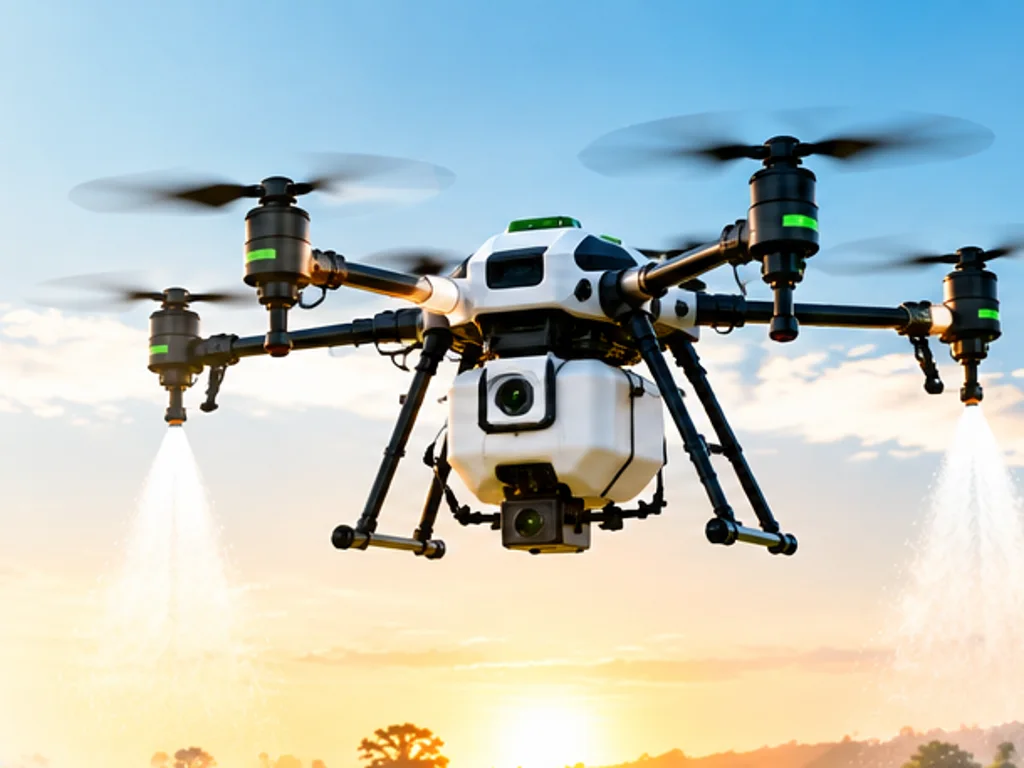
Lithium-polymer (LiPo) packs deliver high current and are common in spraying drones. Lithium-ion packs usually offer higher energy density and longer cycle life at lower discharge rates. Many agri drones use "smart" packs with built-in battery management.
Understanding the label
- S rating – number of cells in series (e.g. 12S, 14S). Determines voltage.
- mAh / Ah – capacity.
- C rating – how fast the pack can safely discharge.
Care tips
- Let batteries cool before charging; avoid charging hot packs straight after a flight.
- Do not routinely run packs down to empty — land with a reserve.
- For storage longer than a few days, keep packs at storage charge (roughly half charged) in a cool, dry, fire-safe place.
- Inspect for swelling, cuts or damaged connectors; retire puffed packs safely.
- Track cycle counts and rotate packs evenly.
Field charging
Plan enough batteries for continuous operation. A field generator with the correct capacity, a multi-channel charger and a shaded charging station keep work moving.
Always follow the manufacturer's battery manual — it overrides general advice.