Unmanned aircraft are older than most people think. Their story runs from early military experiments to the agricultural drones now flying over Indian paddy fields.
Early experiments
In the First World War era, engineers in Britain and the United States experimented with radio-controlled and pre-programmed aircraft such as the Kettering "Bug" aerial torpedo. In the 1930s the British de Havilland Queen Bee, a radio-controlled target aircraft, is often credited with popularising the word "drone" — a male bee, as opposed to the queen.
From military to civilian use
For decades, unmanned aircraft were mostly used for target practice and reconnaissance. A key agricultural milestone came from Japan, where Yamaha developed unmanned helicopters for crop spraying in the late 1980s and 1990s, helping farmers treat small rice paddies efficiently.
The multirotor revolution
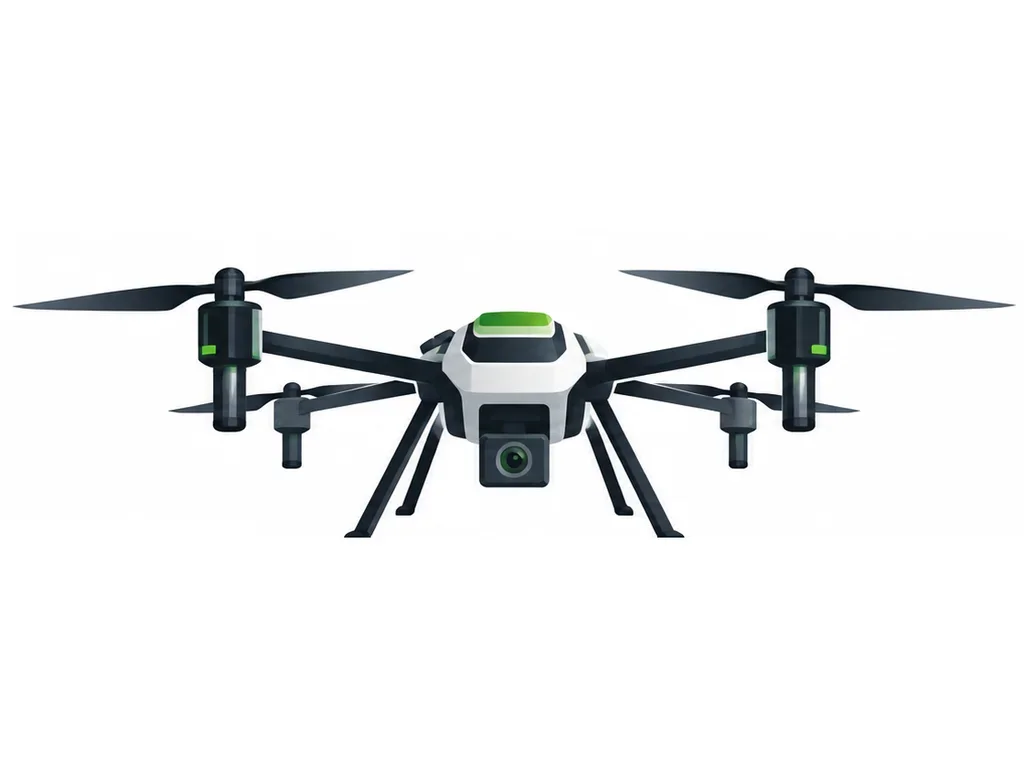
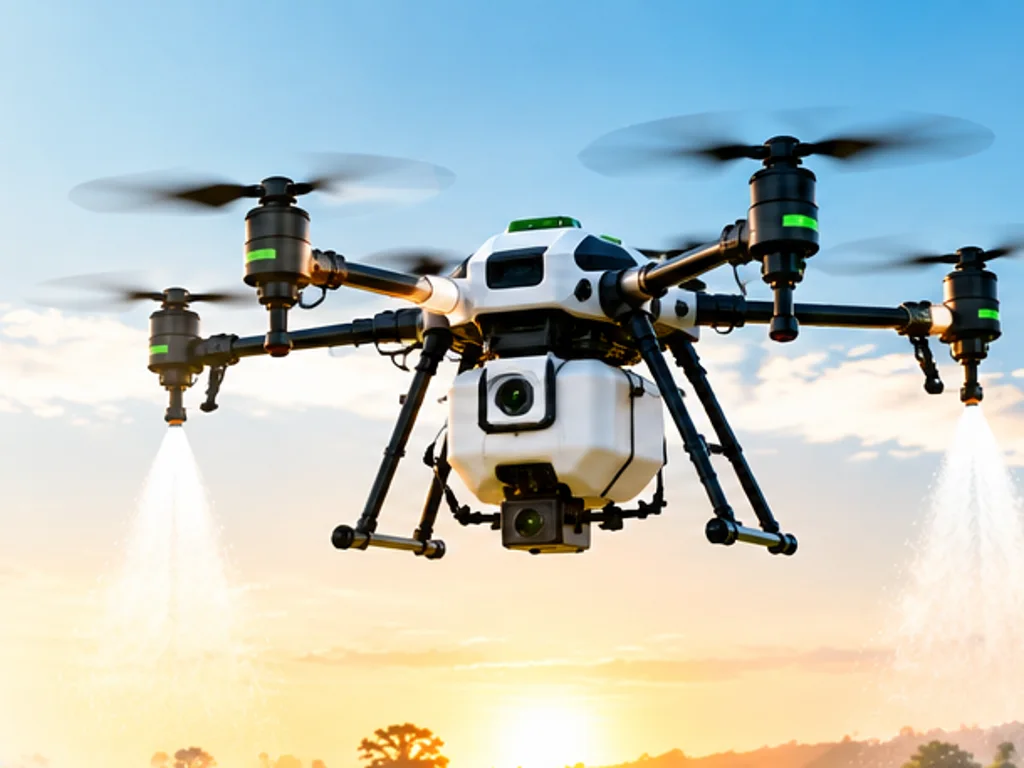
Cheap MEMS sensors, powerful flight controllers, brushless motors and lithium-polymer batteries made small multirotor drones practical in the 2010s. Camera drones became consumer products, and the same technology was scaled up into spraying drones with tanks, pumps and terrain-following radar.
Drones in Indian agriculture
India liberalised its drone regulations with the Drone Rules, 2021, and the government has promoted "Kisan drones" for crop assessment, land records and spraying. Support schemes for farmers, FPOs and women's Self-Help Groups have since accelerated adoption.
Today, an agricultural drone can spray an acre in minutes with consistent coverage — a long way from the target planes of a century ago.