1. Multirotor drones
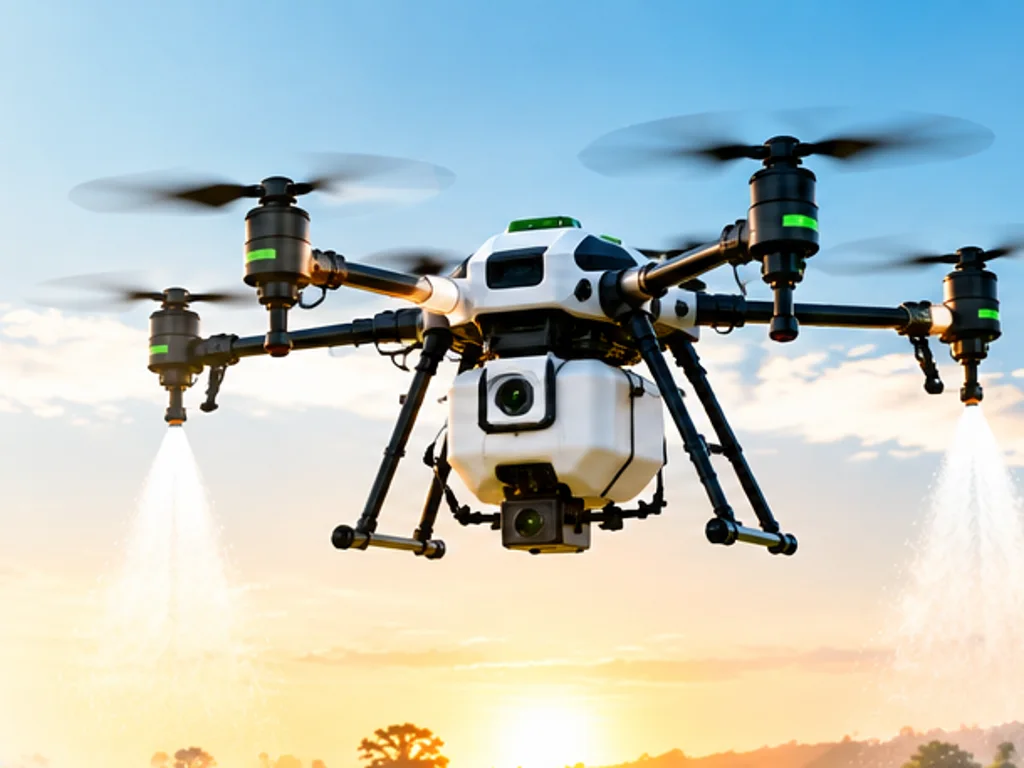
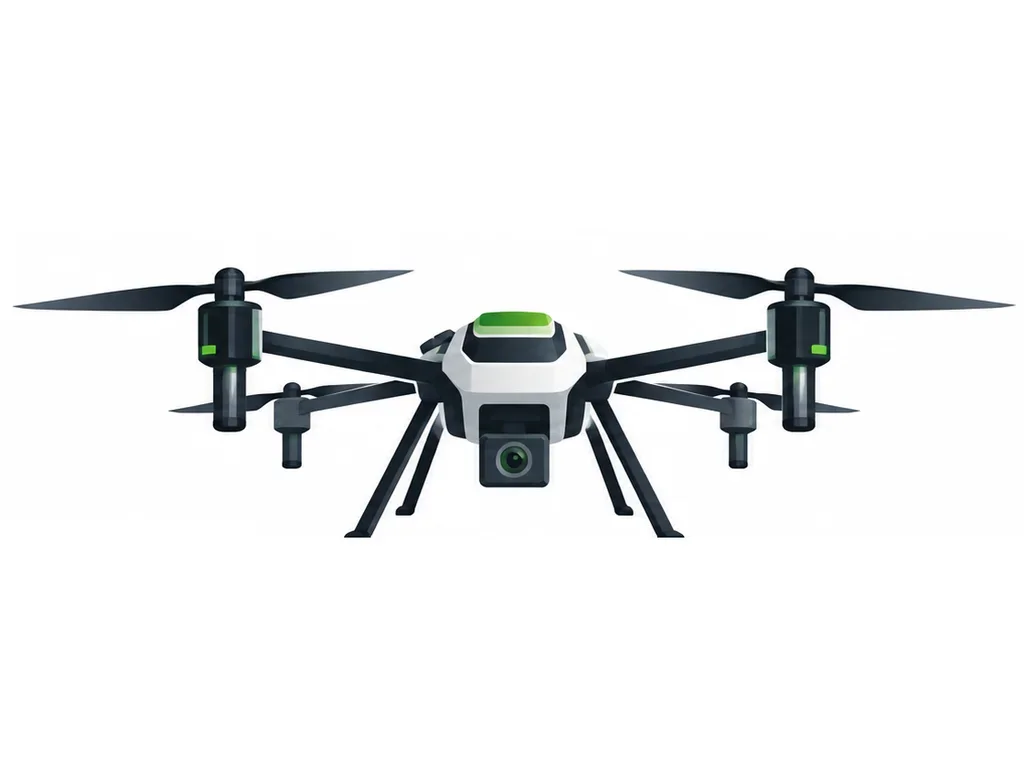
Quadcopters (4 rotors), hexacopters (6) and octocopters (8) are the most common type. They take off vertically, hover precisely and are easy to fly — which is why almost all agricultural spraying drones are multirotors. Their limitation is endurance: flights are usually short because lift comes entirely from the rotors.
2. Fixed-wing drones
These fly like aeroplanes, using wings for lift. They cover large areas efficiently, making them good for mapping big estates or corridors, but need space for launch and landing and cannot hover.
3. Hybrid VTOL
Hybrid vertical take-off and landing drones combine rotors for take-off with wings for cruise — useful for long-range mapping without a runway.
4. Single-rotor (helicopter) drones
A large main rotor and tail rotor give efficiency and heavy-lift capability, but they are mechanically complex and need skilled maintenance.
Classification by weight in India
The Drone Rules, 2021 classify drones by maximum all-up weight: nano (up to 250 g), micro (250 g – 2 kg), small (2 – 25 kg), medium (25 – 150 kg) and large (above 150 kg). Most agricultural spraying drones fall in the small or medium category depending on tank size.
| Type | Best for | Hover |
|---|---|---|
| Multirotor | Spraying, spreading, inspection, photography | Yes |
| Fixed-wing | Large-area mapping | No |
| Hybrid VTOL | Long-range mapping | Yes (take-off/landing) |
| Single-rotor | Heavy lift, long endurance | Yes |